
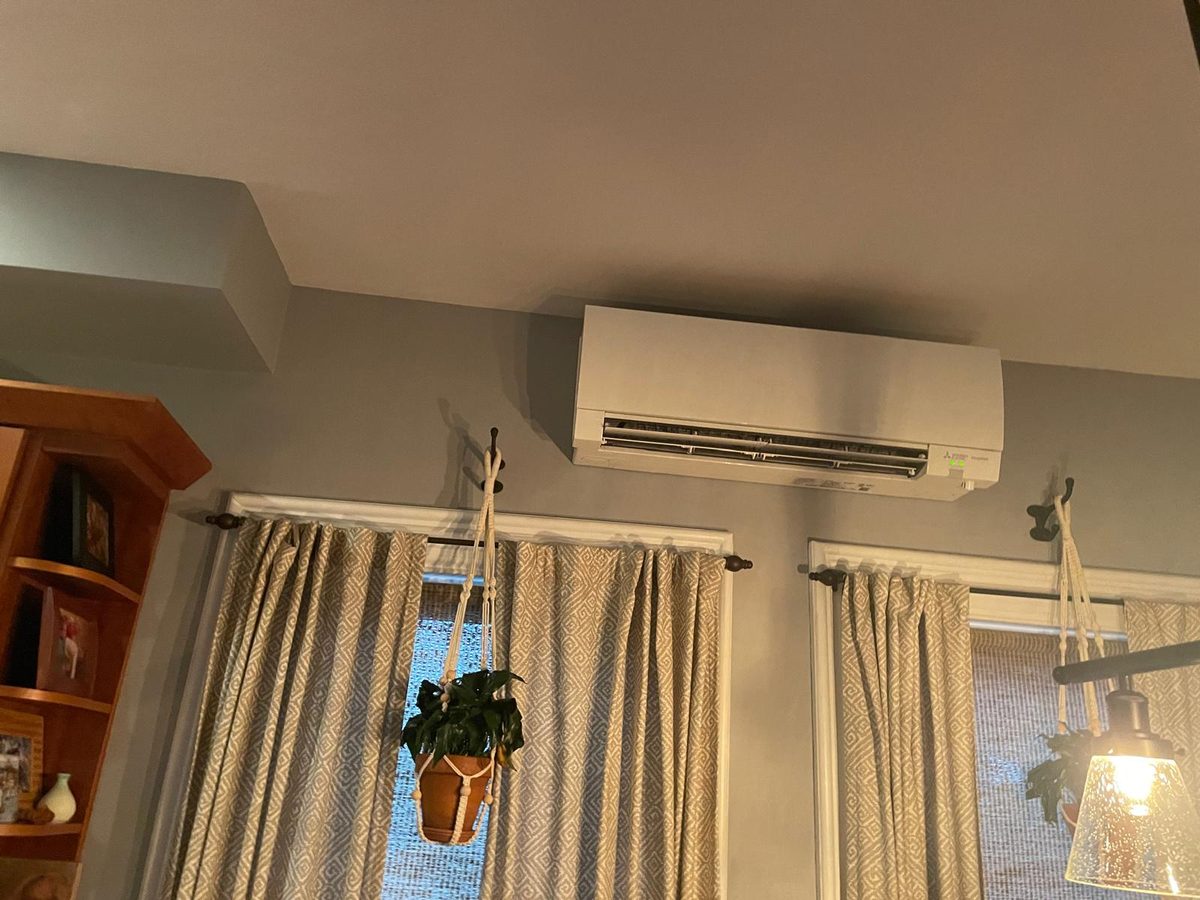
Indoor Air Quality in Carlisle, MA
Carlisle houses mostly date from 1960 to 1999, with 147 units from 2000 or later and 133 from 1939 or earlier. Leakier and tighter houses have different air problems, and the age bands hint at which ones to suspect.
Free HVAC Quote in Carlisle
Air in houses of different ages
According to the 2022 American Community Survey (ACS 2022), Carlisle's housing splits into familiar bands: 133 units from 1939 or earlier (7.1%), 166 from 1940 to 1959 (8.9%), 737 from 1960 to 1979 (39.3%), 692 from 1980 to 1999 (36.9%) and 147 from 2000 or later (7.8%). Those bands matter because air quality problems often follow construction style.
Leaky versus tight
Older houses often leak air through gaps, which dilutes some pollutants and also brings in dust, pollen and basement air. Newer houses are usually tighter. That saves energy, and it also keeps moisture, cooking fumes and chemicals from furnishings indoors unless ventilation does its job. The 1960 to 1999 houses sit between those cases, and the answer depends on what has been done to them since.
Oil, wood and combustion
The survey lists oil in 876 homes, gas in 614 and wood in 56. Any flame appliance should be vented correctly and kept in tune, because combustion byproducts such as carbon monoxide are an air quality issue as well as a safety one. Detectors for carbon monoxide are worth having wherever fuel is burned.
Humidity
Winter heating can leave indoor air dry, and summer can bring humidity back. Measuring first shows which season is the problem. A humidifier or dehumidifier tied to the system, or a ventilator in a tight house, is a response to a measurement and not a default.
Ducts and filters
Filters catch what passes through the system, so a clean one of the right grade helps. Duct cleaning makes sense in specific cases, such as visible dirt, mold, or damage from pests or renovation. Where ducts are leaky, sealing them can matter more than cleaning them.
Testing
Air testing can point to a problem such as high humidity, carbon monoxide or particles, but it is a snapshot of one day. Fixing the source, whether a damp basement, a leaking duct or an unvented appliance, keeps the problem from returning. For equipment upkeep that protects air quality, see the maintenance page.
Mass HVAC near Carlisle
How It Works
Call or send the form
Get a written estimate
Pick a time
Job done right
No Heat? No AC? We're On It.
Rated 5 out of 5
“Excellent customer service ❄️🔥”
Robert Rangel SilvaGoogle · Translated from Portuguese
Frequently Asked Questions About Air Quality in Carlisle
Common questions about indoor air quality in Carlisle, MA.
Not automatically. Houses from 1939 or earlier, only 133 units here, often leak more air, which dilutes some pollutants and admits others such as dust and damp air. Tighter houses hold moisture and fumes. The right fix depends on measurements and on the condition of the house, not on its age alone.
It can be. If a house is airtight, moisture, cooking fumes and chemicals can build up. A ventilator brings in outdoor air while moving the indoor air out, often passing heat between the two streams. Only 147 Carlisle units date from 2000 or later, so the newest, tightest construction is a small slice of the housing.
When ducts are visibly dirty, have mold, or were damaged by pests or a renovation. Without those signs, the money is usually better spent on filters, sealing leaks or controlling humidity. Look at the system first and clean only if there is a reason, then fix the cause so the dirt does not return.